What is the best way for runners to recover?
1/17/2025
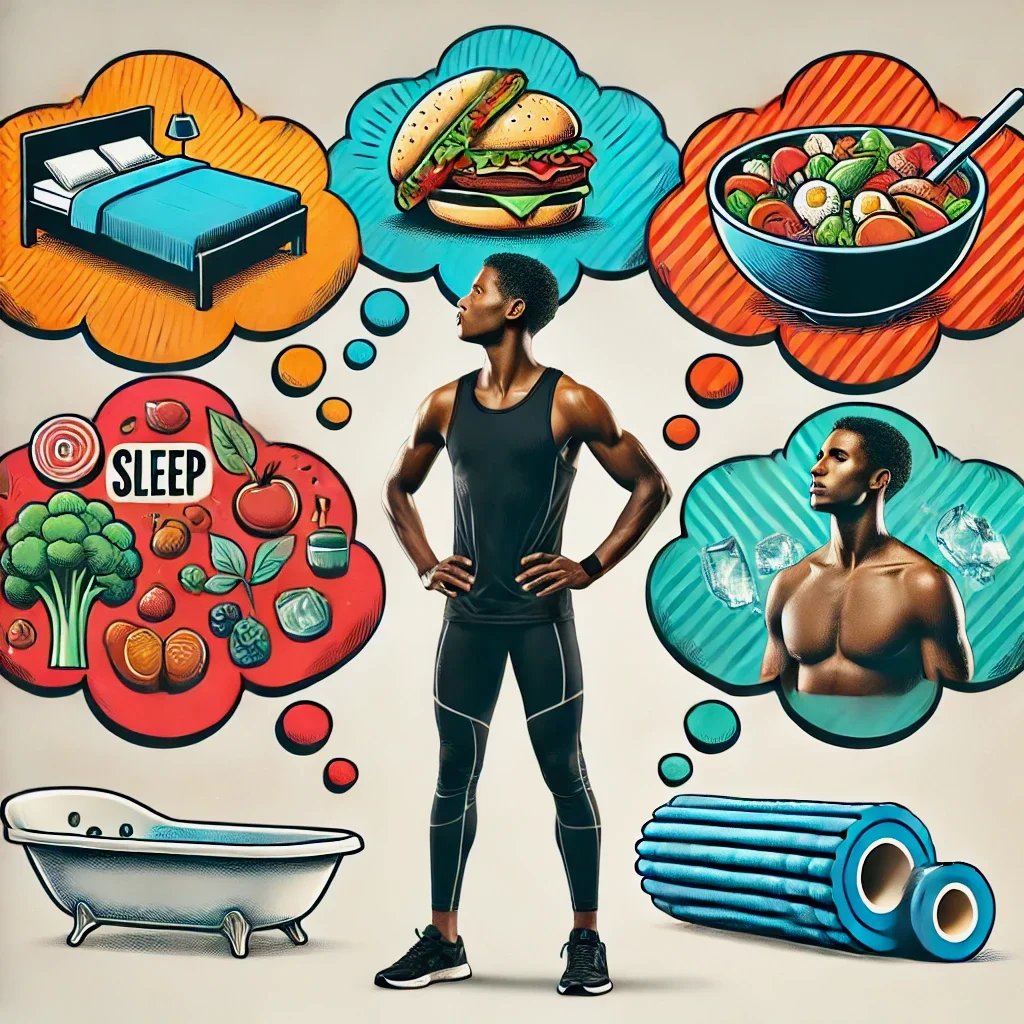
As runners, especially those running half marathons and full marathons, recovery is one of the most crucial pieces of a training process. But there is so much information out there about the ‘best’ way to optimize recovery. Here is a run down of what works, what doesn’t, and what has mixed evidence for effectiveness.
What works:
Sleep – The most important thing that you can do to promote recovery is to get adequate sleep. In fact, as you increase your mileage for half or full marathon training, you may find that you need more sleep than usual. This is important not just for overall fatigue and tiredness, but also to facilitate muscle repair and ensure that you can maintain your training volume.
Nutrition – First and foremost, eating enough calories. Secondly, ensuring that you are getting the right break out of macro nutrients. For instance, protein for muscle repair and carbs for energy. Your nutrition will also shift for higher distance efforts such as marathon training where overall caloric intake should be higher and additional carbs are essential. For marathoners, don’t forget fueling on your long runs will actually also contribute to your recovery process, not just increase your performance during training.
Compression garments – Reviews have shown that wearing compression garments post exercise can help reduce soreness and enhance blood flow, speeding recovery1, 2
Not actually helpful:
Stretching – This one always surprises people, but studies show very little reduction in soreness from post running stretching3. If stretching feels good and you enjoy it, there is not reason not to do it; however, it won’t aid in your recovery.
Foam Rolling – Yet another one that is very popular. However, the evidence indicates that this is not an effective tool to improve or speed recovery4. Note that foam rolling and myofascial release can have other potential benefits such as increasing flexibility and range of motion.
Mixed Results:
Massage – While massage does not necessarily improve performance and recovery in the traditional sense, studies have shown that it can reduce DOMS (delayed onset muscle soreness) and improve range of motion5. It can also promote relaxation and have psychological benefits.
Ice baths – In the short term ice baths reduce inflammation so in that sense they are effective. However, in terms of overall recovery, inflammation is actually a mechanism that effects tissue recovery so using ice baths or other cooling techniques can slow down the recovery process. This can be useful for specific circumstances (e.g. short time frame between races- that’s why you’ll see elite sprinters do this).
However you focus your recovery efforts, remember the basics (sleep and nutrition) are also going to provide the most bang for your buck. Everything else will have smaller gains.
1 https://doi.org/10.1038/s41598-022-21029-2
2 PMID: 25729293; PMCID: PMC4306786.
3 PMID: 16284645; PMCID: PMC1250267.
4 PMID: 31024339; PMCID: PMC6465761.
5 PMID: 32426160; PMCID: PMC7228568.

